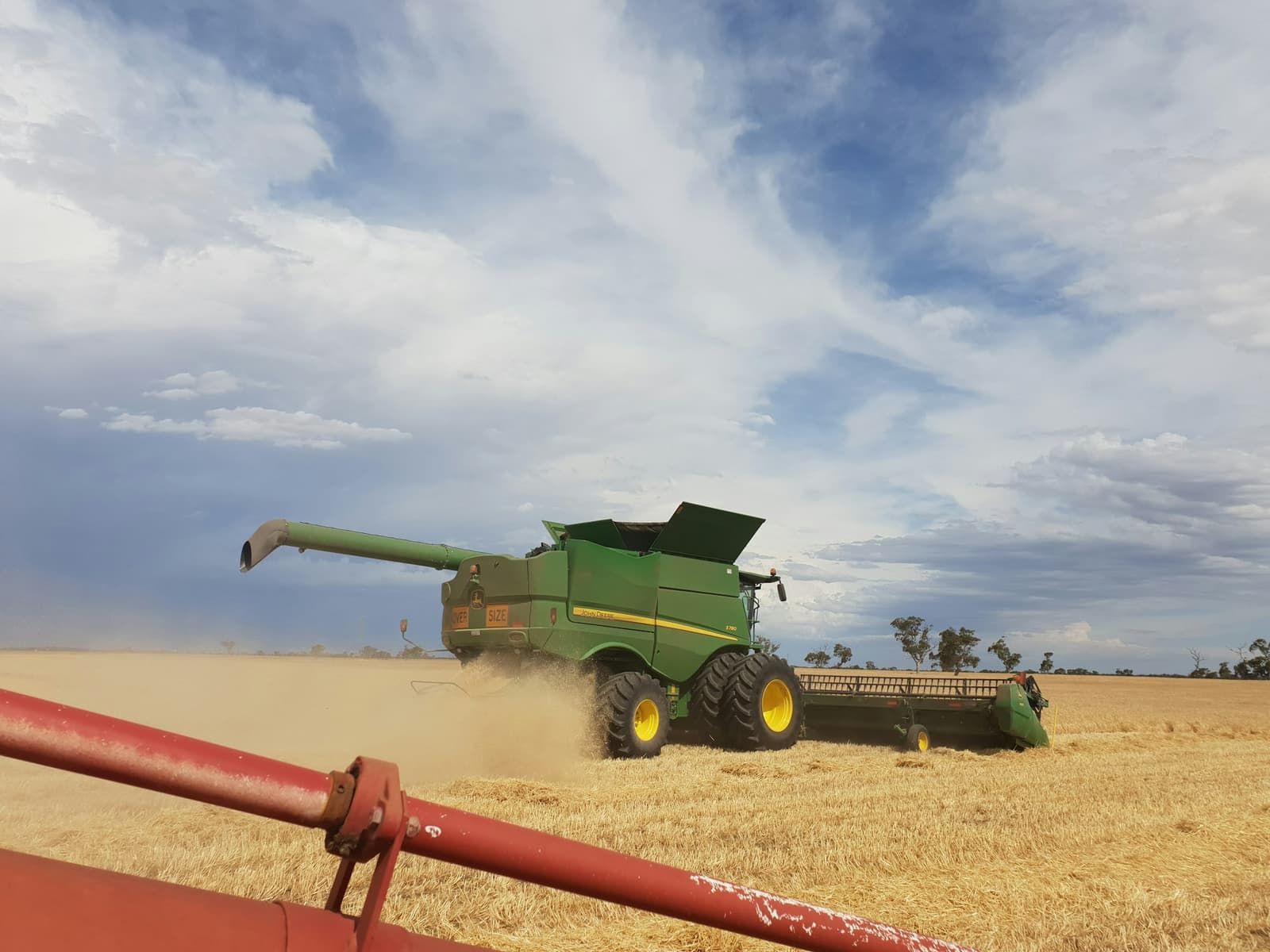
Farming runs on the season, not on the bank’s timetable. Fertiliser and seed must be bought before the break, fodder before the paddocks run bare, and a header fixed before the crop drops. Urgent business loans for farmers and agribusiness put cash in the account when the season demands it: $20k to $250k possible same day, or up to $5m against property once it’s valued.
Why are farm businesses under pressure in 2026?
Costs are staying high while returns ease. ABARES’ June 2026 outlook forecast the value of agricultural production to fall 5% to $98.3 billion in 2026–27, coming off a record 2025–26. It also expected fertiliser and fuel costs to remain elevated and flagged a drier-than-average winter.
Drought hasn’t let go in parts of the south either. In February 2026 the NSW Government expanded drought support as dry conditions continued across southern and western NSW, following hard seasons in parts of South Australia and north-west Victoria.
The strain shows in the business counts. ABS figures show agriculture, forestry and fishing was the only industry to record fewer businesses in 2025–26, down 0.5% to 170,185.
The farm cash calendar
Cash pressure on a farm is predictable. The trouble is when two pressures land together.
| When | Typical cash need | Why it’s urgent |
|---|---|---|
| Before sowing | Fertiliser, seed, chemicals, fuel | Miss the planting window and the whole year shifts |
| Dry spells | Fodder, water carting, agistment | Stock can’t wait for rain or for a grant |
| Sale season | Restocking at the saleyards | Prices and lots move by the week |
| Harvest | Contract harvesting, repairs, casual labour | A breakdown costs grain every day |
| After floods | Fencing, pumps, access roads | Insurance and disaster support take time |
| BAS and tax time | ATO arrears after a poor season | Garnishees can reach your bank or your buyers |
Problem → fastest option → typical speed
| Farm problem | Fastest option | Typical speed* |
|---|---|---|
| Inputs due before sowing | Unsecured loan or line of credit | Same day possible |
| Feed and water in drought | Unsecured loan (smaller) or property-secured loan | Same day to 48 hours |
| Header or tractor breakdown at harvest | Unsecured emergency loan | Same day possible |
| Bridging a slow drought loan or insurance claim | Secured business loan | 24–48 hours once valued |
| ATO debt after a failed season | ATO debt loan against property | 24–48 hours once valued |
| Buying a neighbouring block at auction | Caveat loan or second mortgage | Varies with rural valuation |
*From when documents are complete and, for property-secured loans, the valuation is in.
How do rural property valuations affect speed?
This is the honest part. Farmland can be used as security, but it’s often slower to value than suburban property. Valuers may need to travel. Properties are large and varied. There are fewer comparable sales. Some lenders are also more selective about rural land than about homes in town.
So if speed matters most, look at every property you, a director or a supporting party own:
- A house in a regional town often values and settles as quickly as a city home.
- An investment property in a capital or regional centre works well as security for an equity business loan.
- The farm itself is still an option; just allow more time for the valuation.
Want a rough idea of what’s available? Try the urgent funding calculator. An existing mortgage doesn’t rule a property out, because a caveat or second mortgage can sit behind it.
Should you wait for the bank or a drought program?
Sometimes, yes. If your seasonal facility review is due next week and the bill isn’t due for a month, a longer-term bank loan or a concessional government program may be the better fit. State and federal drought support exists for good reasons.
But these options run on their own timelines. Applications, assessments, farm plans and credit committees can take weeks. The fertiliser merchant, the fodder supplier and the ATO won’t wait that long, and neither will a sowing window or a clearing sale.
That’s where a short-term urgent loan fits. It covers the need now, then gets repaid from what’s coming: the harvest cheque, livestock sales, an insurance payout, an approved government loan or a bank refinance. Short term means months, not years. Be clear about that exit on the first call and the whole process moves faster. Our guide to exit strategies for short-term loans explains what lenders want to hear.
Example scenario
Example scenario (generic, for illustration only): Rob and Kate run a mixed cropping and sheep operation near Naracoorte. After a dry autumn they’ve been hand-feeding for months, and fertiliser for sowing is due at the same time as a $46,000 BAS debt. Their bank is reviewing the farm facility but won’t commit before sowing.
They own a rental house in Mount Gambier with good equity. A $180,000 caveat loan is secured on the rental rather than the farm, so the valuation is straightforward. Once documents are complete it settles within 48 hours. The fertiliser is paid, the ATO is cleared, and feed is covered for the next two months. The loan is repaid from wool and lamb sales and the spring harvest.
Talk to someone who gets the season
Take 60 seconds to start your enquiry. It won’t affect your credit score. A lending specialist calls back and works around your day, early mornings included. Every loan is priced on your farm business’s situation, and we look for the sharpest option available for it. Loans are for business purposes only.
Questions we get asked
Can I use farmland as security for an urgent loan?
Yes, rural land can be used and is assessed case by case. Valuations on farms can take longer because of distance, property size and fewer comparable sales. If speed is critical, a house in town or an investment property often settles faster.
Can a loan bridge the wait for a government drought loan or grant?
Yes. Concessional drought programs can take weeks to process. A short-term loan can cover feed or inputs now and be repaid when the approved funds arrive, provided that exit is realistic.
Does a bad season on my bank statements rule me out?
Not automatically. Seasonal income is normal in farming and lenders look at the pattern across the year. Property security reduces how much the recent season matters.
Can the farm's family trust or company borrow?
Yes. Sole traders, partnerships, companies and trusts can all borrow for business purposes. A family member who owns property can act as a supporting party.
Can I borrow to buy livestock at the saleyards this week?
Yes, restocking is a business purpose. Tell the specialist the sale date on the first call so the application is planned backwards from it.
What documents does a farm business need?
Photo ID, ABN, three to six months of bank statements for unsecured funding, and for property-secured loans a rates notice or title search plus current mortgage statements. Tax returns aren't needed for the initial property-secured assessment.