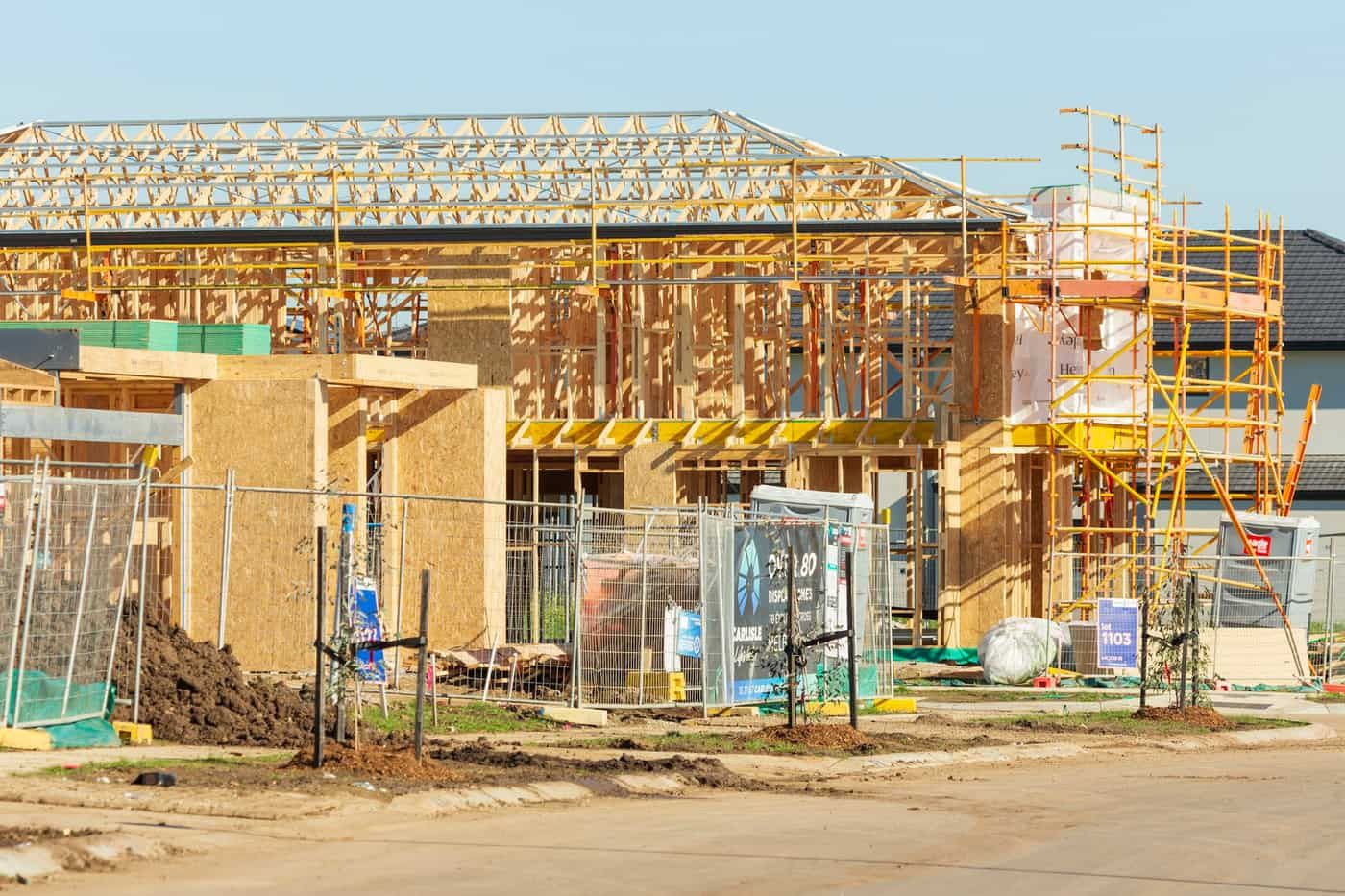
Development is a business of fixed dates and moving numbers. Settlement is Friday, but the valuation came in short. The site is going to auction and the deposit is due on the fall of the hammer. The builder needs a variation paid before trades return. Urgent funding for property developers bridges those gaps: up to $5m possible within 24–48 hours against property, even behind an existing mortgage.
Which deadlines catch developers out?
Most urgent developer requests fall into five situations.
1. Settlement shortfalls
A site purchase is due to settle and the main lender’s valuation came in below the contract price, or its approval is still sitting with the credit team. Default on settlement and you risk the deposit and the deal. A short-term bridging loan can cover the gap and be refinanced once the main facility is ready.
2. Deposits on the day
Auctions and competitive off-market deals need the deposit, usually 10% of the price, paid on exchange. Equity in property you already own can be released quickly with a caveat loan or second mortgage.
3. Cost overruns and builder problems
Construction still accounts for about one in four companies entering external administration, according to ASIC’s statistics. When a builder fails or a variation blows out, the construction lender may not increase the facility fast enough to keep the site moving. See how builders get squeezed on our construction and trades page.
4. Construction loan expiry with unsold stock
The project is finished, but a few units or townhouses haven’t sold and the construction facility is due. A residual stock or bridging loan secured on the completed stock can repay or reduce it and buy time to sell properly rather than discount.
5. The GST-at-settlement gap
This one surprises newer developers. For sales of new residential premises and potential residential land, most purchasers must withhold GST and pay it straight to the ATO at settlement: one-eleventh of the contract price, or 7% of the price under the margin scheme. The developer’s settlement proceeds are lower than the headline price, even though the withheld amount is later credited to its GST property credits account. If you planned to repay a lender or pay a builder from gross proceeds, the gap is real.
Problem → fastest option → typical speed
| Developer problem | Fastest option | Typical speed* |
|---|---|---|
| Bank valuation short, site settles this week | Caveat loan on other property | 24–48 hours |
| Auction or exchange deposit | Caveat loan or second mortgage | 24–48 hours |
| Builder variation or cost overrun | Second mortgage or caveat behind the construction lender | 24–48 hours (consent can add time) |
| Construction loan due, stock unsold | Residual stock or private first mortgage | 24–48 hours once valued |
| GST withheld at settlement leaves a shortfall | Short-term bridging loan | 24–48 hours |
| ATO or trade creditor pressure mid-project | Property-secured loan to clear it | 24–48 hours |
*From when documents are complete. Full valuations of development sites, title issues and first-mortgagee consent can add time.
Why not just ask the main lender for more time?
Always ask. Sometimes it works. But banks and construction lenders tend to answer extension or increase requests through the same credit process as the original loan: a new valuation, updated feasibility, a revised cost-to-complete report and committee sign-off. That can take weeks, and a settlement date or auction won’t move for it.
An urgent private loan is a different tool. It’s assessed mainly on the security and the exit, and it’s short term, typically months rather than years. Think of it as the bridge that keeps the project on schedule while the longer-term finance catches up.
What can a developer use as security?
Almost any real property owned by the development entity, a director or a supporting party:
- the development site itself, with or without an existing mortgage;
- completed stock such as units, townhouses or lots;
- a director’s home or investment property;
- commercial or industrial property owned by a related entity.
A caveat is often the fastest route. It’s a notice on the title that stops other dealings being registered until it’s withdrawn, and it can be lodged electronically. A registered second mortgage usually needs the first mortgagee’s consent, which can take longer. Use the urgent funding calculator for a rough sense of available equity.
What should you have ready?
- Contracts for the purchase or sales, and the settlement date.
- Titles or rates notices for every property offered as security.
- Statements for every existing loan on those properties.
- A one-page project summary: stage, costs to complete, sales to date.
- The exit: refinance, construction loan drawdown, or sale of stock.
Business-purpose lending like this sits outside the National Credit Code. These loans are for development and business purposes only, not for buying a home to live in.
Example scenario
Example scenario (generic, for illustration only): Michael’s company has built six townhouses in Kellyville. Four have sold. The construction facility is due at the end of the month, and GST withheld at settlement on the four sales left less cash than planned to reduce the loan. His lender won’t extend.
A $1.9m private first mortgage secured on the two unsold townhouses repays the construction lender. Once documents are complete, it settles within 48 hours. Michael then sells the last two at full market value over the following months and repays the loan from the proceeds.
Next step
Send a 60-second enquiry with your deadline date. It won’t affect your credit score. A lending specialist calls back, reviews the titles and exit, and maps the fastest path. Every loan is priced on the project’s situation, and we look for the sharpest option available for it.
The clock, step by step
- Hour 0 60-second enquiry with the settlement or deadline date
- Hours 1–4 Specialist reviews titles, contracts and existing debt
- Same day Indicative approval and valuation ordered
- Day 1–2 Loan documents signed, caveat or mortgage lodged electronically
- Settlement Funds paid to the vendor, builder or creditor
Questions we get asked
Can I get a loan to cover a shortfall on a site purchase settling this week?
Yes, in many cases. If the bank's valuation came in low or its approval is running late, a short-term caveat loan or second mortgage secured on other property can cover the gap. Tell the specialist the settlement date first.
Can completed but unsold units be used as security?
Yes. Completed residential or commercial stock can secure a loan that repays or reduces a construction facility and buys time to sell. The exit is usually the sales program.
Does an existing construction loan stop me borrowing more?
Not necessarily. A caveat or second mortgage can sit behind an existing lender, although a registered second mortgage usually needs the first mortgagee's consent. Other unencumbered property is often the fastest security.
Do you need a feasibility study?
For a short-term bridging or shortfall loan, the focus is the security, the purpose and the exit. A clear summary of the project and sales position helps, but a full feasibility isn't needed for the initial assessment.
Can a developer with a past default or ATO debt still borrow?
Yes, both are considered case by case. Property-secured loans are assessed mainly on the security and the exit rather than on credit history alone.
Can I use this to buy a home to live in?
No. These loans are for business and development purposes only, such as sites, projects, stock and business debts.